显示标签为“recipe”的博文。显示所有博文

2013年3月7日星期四

第十五道:起士漢堡肉餅 15th Dish:Cheese hamburger steak

或許漢堡不是日本的傳統料理, 而是屬於“和風洋食”。
“和風洋食”始于明治維新時代; 當時日本開國, 長崎, 神戶, 橫濱幾個對外貿易港口成了輸入外來文化的重鎮。隨著各國商船遠洋漂泊而來的, 除了商品和番人, 還有他們的飲食文化。日本人不僅開始接觸新的飲食文化, 也把它們吸收, 融入, 而開創了“和風洋食”。

今天要介紹的是“和風洋食”的起士漢堡肉餅


材料:
雞肉碎 - 250g
大洋蔥 - 1顆
蘑菇 - 4~5顆

調味料:
(a)
太白粉 - 2小匙
雞蛋 - 1顆
牛奶 - 2小匙
胡椒 - 適量

(b)

紅酒 - 3大匙
水 - 3大匙
蠔油 - 1大匙
牛油 - 1大匙
番茄醬 - 2大匙
味曾 - 1小匙

做法:
(1)將洋蔥去皮, 剁碎待用
(2)蘑菇切成厚片, 待用
(3)放1匙油入炒鍋, 用中火將洋蔥炒至金黃, 撈起放涼

(4)將雞肉碎, 洋蔥和調味料(a), 攪拌均勻

(5)用手將肉碎分成兩份,按成肉餅, 放入鍋裏面, 用大火煎熟兩面, 再轉爲中火
(6)這時加入水至肉餅的2/3処,蓋上鍋蓋燜煮8分鐘

(7)8分鐘后, 立刻將火轉成大火,加入蘑菇和調味料(b)烹煮

(8)當醬汁收成剩一半的時候, 放入起士, 再蓋上鍋蓋, 小火煮一分鐘

(9)開蓋, 你就會看到香噴噴的起士漢堡已經完成了!


祝用餐愉快!

後記:雞肉柔軟地, 香噴噴的~以前煎過漢堡肉, 但是不會調醬汁。 這個醬汁的材料簡單, 幾乎在每個人家裏都有的材料, 而且味道濃郁, 非常地受用。這次我沒有乖乖地follow食譜用紅酒, 因爲不想爲了那3大匙的紅酒而必須喝下整枝900ML裝; 我該用了我老公的Ballentine, 結果味道也蠻不錯的~

另外, 日本的媽媽們喜歡用這道菜來讓孩子們吃一切他們不愛吃的蔬菜, 比如説蘿蔔, 青椒之類的。做法是將蔬菜們剁碎, 再拌入肉餅裏面毀尸滅跡; 這樣孩子就在不知情的情況下, 吃下了自己的蔬菜大敵。

2013年2月5日星期二

第十二道:夏日涼素麵 12th Dish: Summer Sou-men Cold Noodles

第十二道:夏日涼素麵 12th Dish: Summer Sou-men Cold Noodles


現在就吃夏天涼麵?誰管它早春還是晚秋, 人家新加坡這裡一年四季如夏, 農曆12月吃涼麵,管它天皇老子也管不着~~
日本的涼麵種類很多, 有大家熟悉的烏龍面(Udon), 蕎麥面 (Soba); 還有比較少見的素面 (Soumen), 基子面 (Kishimen), 韓國涼麵等等。今天我用的是素面。 這道簡單的麵食, 是我在十幾年前在日本過第一個夏天的時候, 裏親的日本媽媽給我做的一道午餐。

材料:
素面 - 2扎

雞蛋 - 2顆
火腿片 - 2片
小黃瓜 - 1條

涼麵湯料 - 適量
(這是2倍濃縮; 也有直接使用的, 那種會表明是ストレート)

Wasabi芥末 - 適量

做法:
(1)首先準備大量冰水和冰塊, 備用
(2)將雞蛋煎熟, 切成絲

(3)將火腿片和黃瓜, 一樣切成絲


(4)將一鍋水燒開, 放入涼麵 (可以一扎一扎分開煮)
(5)不斷用筷子撥開涼麵,等待煮沸

(6)煮沸后, 倒入一杯涼水, 再煮沸; 如此重復3次 (這個動作叫醒面)
(7)最後一次煮沸后, 立刻將面撈起, 放到涼水裏面泡涼
(8)將泡涼后的素面, 放入冰水裏面, 就可以上桌了。
(9)將濃縮湯汁, 倒入一個小碗,對冰水調好后, 就可以享用咯!喜歡辣的人, 可以在湯料裏面加入WASABI, 會更有風味哦!


自己其實最愛日本的夏天。 喜歡那種坐在屋簷下, 在炎炎的午後聼着風鈴, 邊吃涼麵的風景。雖然已經很多年沒有在夏天到日本, 但是那個充滿蟬叫聲, 炎熱但是透過葉子與葉子之間的小縫, 似乎可以回到同樣炎熱的平安時代的日本的夏天, 還依然在我腦海裏面回蕩。

祝用餐愉快!

2013年1月31日星期四

第九道:馬鈴玉蜀黍 9th Dish: Pota-Corn

第九道:馬鈴玉蜀黍 9th Dish: Pota-Corn


記得上一道菜- 甘辛馬鈴薯嗎? 現在介紹這一道, 其實很類似, 但是完全沒有煎炒的過程, 所以在料理上回更容易。

材料:
馬鈴薯 - 4~6個
玉蜀黍粒 - 200g

調味:
上湯 - 3杯 (650ML)
砂糖 - 3湯匙
生抽 - 4湯匙
牛油 - 40g

做法:
(1)將馬鈴薯洗淨, 不去皮, 切成一口大小
(2)將馬鈴薯, 玉蜀黍粒, 上湯, 砂糖和生抽放入一個鍋裏面, 用大火煮沸
(3)煮沸以後, 用中火再煮10分鐘。


(4)一旦熄火, 讓鍋裏面的材料冷卻。
(5)然後, 再度使用中火, 加入牛油, 將鍋裏面的汁收干。
(6)完成啦!

真的超級簡單!但是這個食譜的調味似乎有一點口味太重, 太甜。如果一向來都口味淡的朋友,可以酌量減少調味,:)
個人比較喜歡上一道菜甘辛馬鈴薯,因爲帶一點煎得香香的味道。

祝用餐愉快!

Remember our last dish - Sweet & Salted Potato? Today the new dish - Pota-corn is pretty similar, the only different is just without any pan fry, hence it is even easier to master!

Ingredient:
Potato - 4-6 pc
Sweet Corn - 200g

Seasoning:
Stock - 3 cups (650ML)
Sugar - 3 big spoon
Light Soya Sauce - 4 big spoon
Butter - 40g

How to Cook:
(1) Clean the potato, leave the skin and cut it into bite size
(2) Put the potato, sweet corn, light soya sauce, sugar and stock into a pot, boil it with strong fire.
(3) Once boiled, turn the fire into medium, continue boil for another 10 min.
(4) Turn off the fire, let the soup & ingredients cool down for few mins.
(5) Turn on the fire into medium, add in the Butter and cook until the sauce is gone.
(6) Ready to serve!

Bon Appetite!

2013年1月25日星期五

第七道:芝麻牛蒡 7th Dish: Tataki Gobou (Sesame Burdock Root)

24 Jan 2013
(English translation is right after Mandarin version)


這道菜屬於一品料理, 也是日本年夜菜(OsechiRyori)的菜色之一, 取其意在新的一年裏, 會有個健康的身體, 強壯的體魄。

材料:
牛蒡 - 1根
芝麻 - 1 湯匙

調味料:
生抽 - 2 湯匙
味晽 - 1 湯匙
醋 - 1 大匙

做法:

(1)首先洗淨牛蒡 (請參考《牛蒡金平》), 再把牛蒡切成3公分長的小段
(2)將一湯匙的芝麻在不焦鍋稍微干煎一下,磨碎至還帶一些顆粒的感覺, 待用
(3)燒熱一鍋水, 放入少許鹽和醋, 加入牛蒡, 再度煮沸。煮沸后, 讓牛蒡繼續滾1-2分鐘。
(4)在芝麻裏面, 加入調味料, 攪拌均勻
(5)把牛蒡從鍋裏撈起來, 加入芝麻醬裏面攪拌均勻, 放置30分鐘后上菜

這道菜, 絕對是小朋友和老人家不宜的, 哈哈哈哈。這個牛蒡吃起來很有嚼勁, 而且還帶脆脆的感覺;味道還不錯, 適合儅一個下酒菜。 我和老公就合著梅酒, 兩個人樂呵呵地幹掉了這碗小菜。

祝用餐愉快!

This simple dish actually is part of Japanese New Year Traditional Dinner (Osechi Ryori). By eating this dish during New Year, you will be in the pink of health.

Ingredients:
Gobou (Burdock Root)- 1pc
Sesame - 1 big spoon

Seasoning:
Light Soya Sauce: 2 big spoon
Mirin - 1 big spoon
Vineger - 1 big spoon

How to cook:
(1) Clean the Burdock Root (please refer to ), and cut it into 3cm length
(2) Stir fry the sesame (without adding in any oil) in the non-sticky fry pan for few min; remove it from fry pan and grinding it into powder with some grain texture.
(3) Boiled a pot of water, adding some vineger & salt. Adding in the Burdock Root, reboil the water. Once boiled, leave it continuously boil for another 1-2 min.
(4) Add the seasoning into the sesame powder, stir it well
(5) Remove the Burdock Root from the pot and put it into the sesame paste while it is still warm. Mix the Burdock Root with the paste well, leave it to cool down for 30min.
(6) ready to serve

Bon Appetite!

2013年1月23日星期三

第六道:牛蒡蘿蔔金平 6th Dish: Kinpira Gobou

22 Jan 2013
(English translation is right after Mandarin version)


牛蒡蘿蔔金平是日本常見的家常菜,經常用來做儲備菜或是前菜。牛蒡金平的語源自日本江戶時代, 《金平淨琉璃》-音樂劇裏面的主人翁 - 阪田金平。 在劇中, 阪田金平是一個具有怪力, 很強壯的一個人,和牛蒡在日本人的心中的形象很接近:深深植入土裏, 強壯健康。所以經常在喜慶佳節的菜肴裏面, 看得見牛蒡的影子。

材料:
牛蒡 - 1條
紅蘿蔔 - 半條
芝麻 - 適量

調味料:
生抽 - 2湯匙
味晽 - 2湯匙
砂糖 - 2小匙

做法:
(1)首先將牛蒡用水洗淨, 然後再用刷乾淨外皮。 不能刷淨的部分可以用刀背刮乾淨。
(2)然後準備一碗清水。 
(3)依照下圖的方法,在牛蒡中央切一刀,再用刮皮刀刮成細絲。
(4)刮下的牛蒡立刻放入清水裏面待用。

(5)紅蘿蔔洗淨刮皮后, 切成絲細。


(6)在炒鍋裏面加入1.5湯匙的油
(7)將牛蒡的水瀝乾, 和蘿蔔一起加入超過裏面熱炒。
(8)炒至8分熟時, 倒入調味料, 迅速攪拌
(9)等調味料快收干時, 撒入適量的芝麻攪拌均勻, 即可上桌

對不起, 這道菜又再獲得好評, 真的很“Paisei”。發現到不會烹飪的人, 只要緊緊地跟隨食譜, 不要多也不要少,不要快也不要慢, 就能燒好一碟菜。 從以前留學時就很喜歡這道牛蒡金平,現在自己學會做了, 真的想好好地讚美自己!

祝用餐愉快!

Kinpira Gobou is very common dish in Japan. It often served as an appetizer or store for day to day side dish. The name of Kinpira Gobou origined from Japan Edo Period, took from the popular character of a musical theater show -. In this show, the character Kinpira Sakada is the strongest man in the world, no one on earth can beat him. The strong image is very similar with Gobou in Japan; a plant with the strong and healthy root. Hence Gobou also is the popular food during festive dinner table.

Ingredients:
Gobou (Burdock Root) - 1pc
Carrot - 1/2pc
Sesame

Seasoning:
Light Soya Sauce - 2 big spoon
Mirin - 2 big spoon
Sugar - 2 small spoon

How to cook it:
(1) Wash away the dirt on Bordock Root. Then use the brush to clean it further. You even can use the back of knife to clean away the stubborn dirt. (picture above)
(2) Prepare a bowl of clear water
(3) Have a deep cut in the centre of Burdock Root (picture above), then use the peeler to peel the Burdock root into thin slice (picture above)
(4) Once peeled, placed the Burdock Root into the clear water immediately (if not the Burdock Root will turn dark)
(5) Slice the Carrot into thin slices as well (picture above)
(6) Add 1.5 big spoon of oil into fry pan
(7) Dried the Burdock Root, and add it into the fry pan together with the Carrot
(8) Stir fry it till 80% done
(9) Adding in the seasonning and quickly stir it to avoid burn
(10) When the sauce is almost gone, adding in sesame and mix it well
(11) Ready to serve

Bon Appetite!

2013年1月22日星期二

第五道:雞肉御椀料理 5th Dish: Chicken Bowl

第五道:雞肉御椀料理 5th Dish: Chicken Bowl

21 Jan 2013
(English translation is right after Mandarin version)


御椀料理, 是日本懷石料裏的其中一道菜。御椀料理是屬於湯類,盛在一個凃了朱漆的小碗裏,所以叫御椀料理。 吃日本懷石料, 禮儀是很重要的一部分。今天介紹喝御椀料理的方法。
首先,用右手拿起筷子,拿筷子的中央部分, 再滑到自己平常習慣的位置。然後用雙手捧起御椀料理,再將碗移到左手才開始食用。放下碗時,也必須使用雙手。

材料:
雞翅膀 - 4支
青蔥 - 1根
真姬菇/玉蔁 - 半包
平菇 - 半包

昆布上湯 -3杯(650ML)
柚子皮

調味:
料理酒 - 2湯匙


做法:
(1)將雞翅膀分成上,下兩段。
(2)將青蔥切成2公分長
(3)將真姬菇和平菇的根部去除,用手將其撥開,分成容易使用的大小。
(4)把雞翅膀放入不粘鍋裏面煎,當兩面呈金黃色時,加入料理酒2湯匙。
(5)把切好的菇類和蔥加入,清炒。
(6)將昆布上湯倒入一個乾淨的湯鍋内,加入剛炒好的菇類和蔥煮沸
(7)湯煮沸后,將煎過的雞翅膀用吸油紙去油,再加入湯内,用慢火煮20-25分鐘
(8)將煮好的湯用鹽調味,盛入小碗,放入切成絲細的柚子皮點綴。

這道菜比較大人,比較sophiscated,我傢的小孩比較不能夠接受。反而是爸爸覺得這個湯很好喝,有深度。。。自己本身覺得帶骨的雞翅膀比較難處理,一邊喝湯一邊還得管去骨。湯的味道濃郁, 算是道可以宴客的大菜。

祝用餐愉快!

Bowl dish (O-Wan) is part of Japanese Kaiseki cuisine. Normally it is soup which present in a red colour small bowl. Having a Kaiseki cuisine, you need to follow the way of enjoying it. Example, you will pick up your chopstick by your right hand, holding it at its central then slowly sliding to your usual holding position. When you want to hold the Bowl, you will need to use your both hand to hold it, then move the bowl to your left hand.

Ingredient:
(1) Chicken Wing - 4 pc
(2) Shimeiji Mushroom - 1/2 packet
(3) Maitake Mushroom - 1/2 packet
(4) Green Onion - 1 pc
(5) Kunbu Stock - 3 cups (650ML)
(6) Yuzu Skin

Seasoning:
Cooking Sake - 2 big spoon
Salt

How to Cook it:
(1) Chop the chicken wings into 2 parts
(2) Slice the green onion into 2cm length
(3) Remove the botton part of Shimeiji & Maitake mushroom, separate it into a mouth size portion by hand
(4) Pan fry the chicken wings in a non-sticky fry pan
(5) Once both size of chicken wings turn into gold colour, add in 2 big spoon of Cokking Sake
(6) Add in all the vegetable and pan fry it
(7) Put all the Kunbu Stock into a clean pot, add in the cooked vegetables and boil it
(8) Once boiled, use the kitchen tissue to remove the chicken wings' grease before adding into the soup
(9) Use slow fire to boil the soup for another 20-25 min, then use the Salt to season it.
(10) Serve the soup in small bowl, adding in some sliced Yuzu Skin

Bon Appetite!


2013年1月21日星期一

第四道:鮭魚飯 4th Dish: Salmon Rice

第四道:鮭魚飯 4th Dish: Salmon Rice

18 Jan 2013
(English translation is right after Mandarin version)


鮭魚飯是日本家庭裏非常普遍的一道菜。鮭魚, 在日文裏叫“SAKE”, 起源自日本北部少數民族-“愛奴”族的語言- “Sakuibe”。 Sakuibe的意思是“夏天的食物”。

材料:
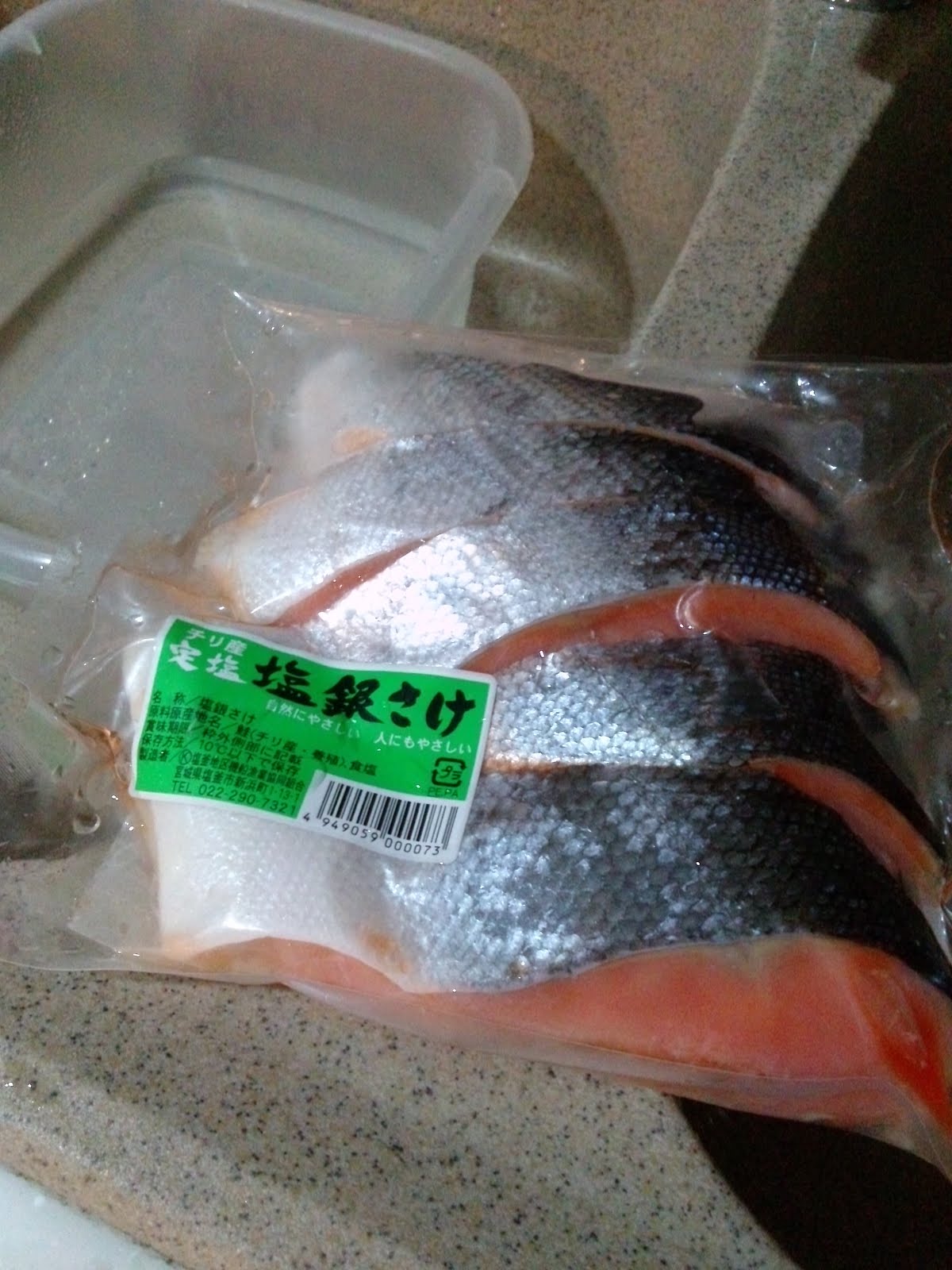
鹽制鮭魚 - 2 片


昆布上湯 - 430ML (可用昆布粉末湯料和水調製)
白米 - 360ML
芝麻 - 適量

做法:
(1)首先, 將白米洗淨后, 泡水30分鐘。
(2)將鹽制鮭魚兩面煎熟


(3)將煎熟的鮭魚去骨, 撥開弄散


(4)將白米的水分倒掉,加入昆布上湯和鮭魚
(5)加入適量的水調整 (因爲種類不同的白米會需要不同分量的水)
(6)放入飯鍋煮熟
(7)煮熟后, 放置于飯鍋内3-6分鐘


(8)加入適量的芝麻, 攪拌均勻

老實講, 這道菜真的真的超簡單。 我傢老小還要求今天再煮一次。但是重點是, 一定要買鹽制鮭魚和用昆布上湯。
原因是這道菜基本上都沒有用任何調味料。記得哦, 鹽制鮭魚不同于腌製或是Smoke Salmon. 然後上湯用昆布比較搭; 用雞湯就怪怪的。

祝用餐愉快!

The Salmon Rice is a very simple dish and can be found in almost all Japanese Family's dinner list. In Japanese, Salmon called "SAKE", origin from Japan's Northen Ethnic Group - AINU - calls "Sakuibe", which means "The Summer's Food"

Ingredients:
Salted Salmon - 2 pc
Kunbu Soup - 430ML
Rice - 360ML
Sesame

How to Cook:
(1) Rinse the rice and leave it soak with water for 30min
(2) Grill the Salmon until the surface turns into golden colour
(3) Remove the Salmon's bone and flakes the fresh
(4) Throw away the water of rice, add in the Kubun Soup and Salmon into rice
(5) You may consider to adjust the water level according to the type of rice that you are using
(6) Cook with the Rice Cooker
(7) Once cooked, leave it steam for 3-6 mins
(8) Add in some sesame and ready for serve

Bon Appetite!

2013年1月20日星期日

第三道:親子蓋飯 3rd Dish: Oyako Don (Chicken & Egg's Rice)

第三道:親子蓋飯 3rd Dish: Oyako Don (Chicken & Egg's Rice)

17 Jan 2013
(English translation is right after Mandarin version)


親子蓋飯大概是日本餐廳餐牌裏面, 最常見的一道菜。
顧名思義,親, 就是父母, 子, 就是孩子。這道菜裏面的親是雞肉, 子就是雞蛋了。
在日本北海道,親子蓋飯還有另一個Version, 就是鮭魚和鮭魚卵的親子搭配。

材料:

雞腿肉 - 200g
大洋蔥 - 1個
上湯 - 300cc

雞蛋 - 1分飯, 一個蛋的分量

調味料:
生抽 - 2湯匙
味晽 - 1.5湯匙
料理酒 - 1.5湯匙
砂糖 - 2湯匙

做法:
(1)將雞腿肉切成丁狀
(2)將洋蔥切成絲狀
(3)將300cc的上湯,調味料用大火煮沸
(4)把雞腿肉和洋蔥放入煮沸了的湯料裏面烹煮

準備一個人的分量時,將白飯盛入碗内,
(1)打散一個蛋,加入兩湯匙的湯汁,攪拌均勻
(2)另起另一個炒鍋,把煮好的雞肉,洋蔥和湯汁,一個人分移到炒鍋裏。
(3)清炒雞肉和洋蔥,當湯汁快收的時候, 加入攪拌好的雞蛋。
(4)快手攪拌雞蛋,慢慢地讓雞蛋外圍成型。
(5)外圍成型, 裏面還半熟的狀態下起鍋, 將蛋鋪在飯上即完成。

孩子和女傭吃這道簡單的料理, 吃的喜滋滋的。其實當家裏有多餘的雞肉, 而媽媽又不想做菜時, 這個料理其實是不錯的選擇啦。如果雞肉沒了, 沒關係, 可以換成牛肉, 就變成了另一道日本家庭料理“他人蓋飯”了(牛肉和蛋當然是他人拉!); 記得用牛肉的話, 就不要煮太久, 肉會老掉哦!


Today this dish I tried was rather simple but the significant ala carte menu of most of the Japanese Restaurant: Oyako Don - the Chicken and Egg Rice.
Why we called it Oyako Don? "Oya" means Parent, of course here is the Chicken, and "Ko" means child, the EGG. In Japan, there is another Oyako Don's version in Hokkaido, which is Salmon and Salmon Egg.

Ingredient:
Chicken Thigh - 200g
Onion - 1 pc
Stock - 300cc

Egg - 1 per serving

Seasoning:
Light Soya Sauce - 2 big spoon
Mirin - 1.5 big spoon
Cooking Sake - 1.5 big spoon
Sugar - 2 big spoon

How to Cook:
(1) Slice the Chicken thigh into small cube
(2) Slice the Onion into slices
(3) Put the Stock & all seasoning into pot and boil it.
(4) Once Stock is boiled, add in Chicken cube & onion to cook it.

When you ready to prepare for the 1st serving, add the white rice into bowl,
(1) Stir one egg in a bowl, add in 2 big spoon of boiled stock and stir again.
(2) Heat another fry pan, add in 1 (one) serving of cooked Chicken, onion and some stock
(3)Stir fry the chicken & onion, once notice the stock is almost gone, add in the EGG.
(4)Once add in the EGG, quickly stir the EGG.
(5) Once the outer ring of EGG is done, and inner still remain half done, move the EGG & Chicken above the rice.

Bon Appetite!


2013年1月15日星期二

第一道:五目飯 1st Dish:Gomoku Gohan

15 Jan 2013
(English translation is right after Mandarin version)


五目飯也叫加薬飯 (Kayakumeshi)。這道料理的歷史, 可以追溯到中國最早的《神農本草綱目》-“薬有酸甘咸苦辛五味”。 所以加薬飯的主要目的是補助藥用的效果, 有養身效果。日本最早開始在江戶的関西區, 就有人利用白蘿蔔, 青蔥, 海苔和辣子作爲加薬飯的五味。

我這次用了日本渡邊Akiko的食譜,挑戰了這道歷史悠久的料理。

五目飯/加薬飯
熱量:380kcal
分量:4人分

材料:
白米 - 300ML
上湯 - 1杯 (230ML)
水煮筍 - 半顆
真姬菇/玉蔁 - 半包

紅蘿蔔 - 1 條
豆泡 - 2 片

雞腿肉 - 80克

調味:
生抽 - 2湯匙
味晽 (Mirin)- 2 湯匙
料理酒 - 1湯匙半
糖 - 2 小匙


做法:
1。將白米洗淨后, 用水浸着約30分鐘。
2。將水煮筍 切成長三公分, 寬一公分后, 用熱水汆湯, 撈出后待用。
3。將真姬菇/玉蔁洗淨, 用手撕開成三公分長度待用。
4。將紅蘿蔔切成長三公分絲狀待用。
5。將豆泡切成長絲狀,用熱水汆湯去油, 撈出后待用。
6。雞腿肉切成丁狀待用。

7。將浸泡白米的水倒掉。
8。倒入上湯, 所有材料, 並將材料均勻分佈于白米内。
9。倒入調味, 攪拌均勻。
10。開啓電飯鍋開始煮飯。
11。飯熟后立刻開啓飯鍋攪拌, 完成。

這道料理還真的很簡單,不容易突槌。家婆, 老公和女傭都蠻喜歡的。對於一個10年沒有下廚的我來説, 這第一道菜真的給我超大鼓勵~~
但是有幾個撇步:
1。因爲每一家使用的白米種類不同,所以最後煮飯之前, 請加入適量的水, 或酌量減少上湯的分量。像我是使用越南茉莉米, 所以最後有加入水到平時煮白飯的level.
2。倒入調味后, 就開始煮,不要等。不然醬油會沉澱, 然後就會焦鍋了。
3。煮好后也要立刻開飯鍋攪拌,以避免焦鍋。

祝大家用餐愉快!


Gomoku Gohan also called Kayakumeshi. This dish's origin can be traced all the way back to China Ming Dynasty, in - "Medicine has 5 taste -sweet, bitter, sour, salty and umami." In Japan during Edo Period, people in Kansai area start to pratice this idea into their daily food by adding in Radish, Spring Onion, Pepper & Seaweed into their rice.That's the history of this traditional food - GOMOKU Gohan.

Ingredient:
white Rice - 300ML
Stock - 220ML
Boiled Bamboo Shoot - 1/2 pc
Shimeji Mashroom - 1/2 packet
Carrot - 1 pc
Tofu Puff/ Aburaage - 2 pc
Chicken thigh

Seasoning:
Light Soya Sauce - 2 big sp
Mirin - 2 big sp
Cooking Sake - 1.3 big sp
Sugar - 2 tea sp

How to Cook:
1. Rinse the White Rice and soak in water for 30 min
2. Cut the bamboo shoot into length 3cm and width 1cm,then quickly rinse through the hot water, let it dry and standby.
3. wash the Shimeiji Mashroom and make it become a 3cm length's size by hand.
4. Cut the Carrot into 3cm length's strips
5. Tofu Puff cut into 3cm length's strips, then quickly rinse through the hot water, let it dry and standby.
6. Chicken thigh cut into small cube.

7. Throw away the water which soaking the white rice.
8. Mix all the seasoning and ingredient into the white rice, mix it well.
9. On the Rice Cooker and start cooking.
10. Once cooked, open the rice cooker immediately and mix the rice again.
Now is reasy to serve the meal.

AS a first dish for my challenge, GOMOKU Gohan is rather an easy dish to cook. My family love the taste and make me feel confident to challenge my next target.

Bon Appetite!